
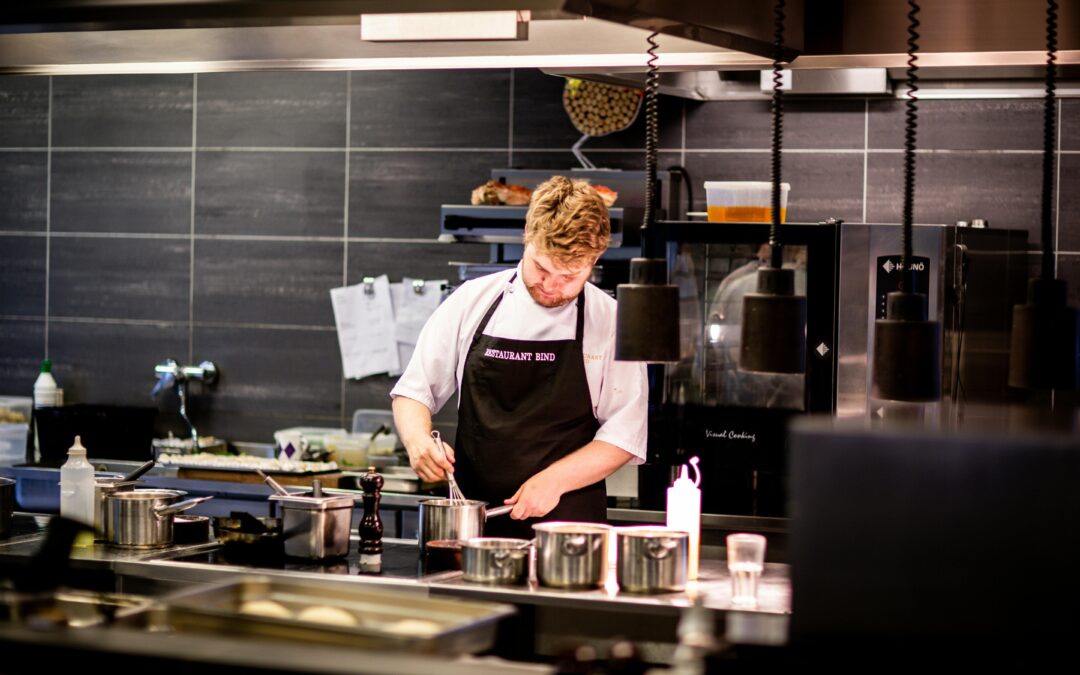
As more households prioritize home-prepared meals in 2026, culinary professionals and home organization specialists alike emphasize a “prep to plate” approach—ensuring each stage of cooking is supported by reliable tools. Here’s a comprehensive look at the must-have kitchen accessories for a fully equipped, modern kitchen.
Prep Tools: Building the Foundation
Every great dish begins with preparation. According to cooking instructors, proper prep tools not only improve efficiency but also enhance safety and consistency.
At the center of any kitchen setup is a high-quality chef’s knife, often described as the most important tool in the room. Paired with a paring knife and serrated knife, it forms the core trio for slicing, peeling, and detailed cutting tasks.
Equally essential are durable cutting boards. Experts recommend keeping at least two—one designated for produce and another for proteins—to prevent cross-contamination.
Precision also matters. Measuring cups, measuring spoons, and a digital kitchen scale ensure accuracy, especially in baking where exact quantities determine results. Mixing bowls in varying sizes allow for easy combining, marinating, and staging of ingredients.
Additional prep tools such as vegetable peelers, box graters, kitchen shears, colanders, and citrus juicers round out the list. While simple, these accessories significantly streamline the cooking process.
Cooking Utensils: Efficiency Under Heat
Once prep is complete, the cooking stage demands dependable cookware and utensils.
Industry trends show that most home cooks rely on a few versatile cookware staples: a non-stick skillet for eggs and delicate foods, a stainless steel or cast iron pan for searing, a medium saucepan for sauces and grains, and a large stockpot for soups and pasta. Baking sheets and casserole dishes complete the essential set for oven-based meals.
Utensils play an equally critical role. Silicone spatulas, wooden spoons, slotted spoons, tongs, ladles, and whisks are among the most commonly used tools in American kitchens. These items help cooks maneuver ingredients safely while protecting cookware surfaces.
Temperature control is another area experts highlight. Instant-read thermometers eliminate guesswork when cooking meat or baked goods, while oven thermometers ensure internal temperatures remain accurate. Timers—whether digital or manual—help prevent overcooking and maintain consistency.
Storage Solutions: Preserving Freshness and Reducing Waste
As food costs fluctuate, efficient storage has become a top priority for households seeking to reduce waste.
Glass food storage containers with airtight lids are increasingly favored over plastic alternatives due to durability and odor resistance. Stackable designs maximize refrigerator space, while reusable silicone storage bags offer eco-friendly flexibility.
In the pantry, clear canisters help keep staples like flour, rice, and pasta fresh while making inventory visible at a glance. Spice organizers—whether drawer inserts or wall-mounted racks—improve accessibility and reduce clutter.
Refrigerator organization tools such as produce bins, egg holders, and rotating trays (often called Lazy Susans) help maintain freshness and simplify meal planning. Experts note that organized storage can extend food life and cut down on unnecessary grocery purchases.
Serving Accessories: Elevating the Dining Experience
While preparation and cooking dominate much of the process, presentation remains an important final step.
Serving platters, salad bowls with servers, and coordinated serving utensils allow dishes to transition seamlessly from kitchen to table. Gravy boats, bread baskets, and condiment containers add functionality and polish to meals.
For beverages and entertaining, tools such as corkscrews, bottle openers, pitchers, and ice trays ensure hosts are prepared for any occasion. Small finishing touches—like salt cellars, pepper mills, and oil dispensers—provide both convenience and style.
Experts say these accessories don’t just improve aesthetics; they also enhance the overall dining experience by making serving smoother and more organized.
Cleaning and Maintenance: Protecting the Investment
A well-equipped kitchen also includes tools for upkeep. Dish drying racks, non-scratch sponges, scrub brushes, and microfiber cloths help maintain cleanliness without damaging surfaces.
Knife sharpeners or honing rods are especially important, as dull blades can be more dangerous than sharp ones. Pot protectors and drawer organizers also extend the lifespan of cookware and utensils.
Proper maintenance ensures that kitchen accessories remain functional and cost-effective over time.
A Practical Approach to Kitchen Readiness
Culinary experts agree that building a fully equipped kitchen doesn’t require purchasing everything at once. Instead, they recommend prioritizing essentials in each category—prep, cooking, storage, and serving—and gradually expanding based on personal cooking habits.
The ultimate goal is not excess, but efficiency: a kitchen where every tool serves a purpose and every meal moves smoothly from preparation to presentation.
As home cooking continues to shape modern lifestyles, having the right accessories in place may be the simplest way to transform everyday meals into enjoyable, stress-free experiences—from prep to plate.