A good cutting board isn’t just a surface—it’s the foundation of safe, efficient, and hygienic cooking. In 2025, cutting boards and food prep surfaces will have evolved beyond basic wood or plastic. Home chefs are choosing boards that combine durability, functionality, and style, while also complementing their kitchen tools, knives, and even serveware. In this guide, we’ll break down the best options, maintenance tips, and trending innovations to help you pick the perfect prep surface for your kitchen.
1. Wood Cutting Boards: Classic and Durable
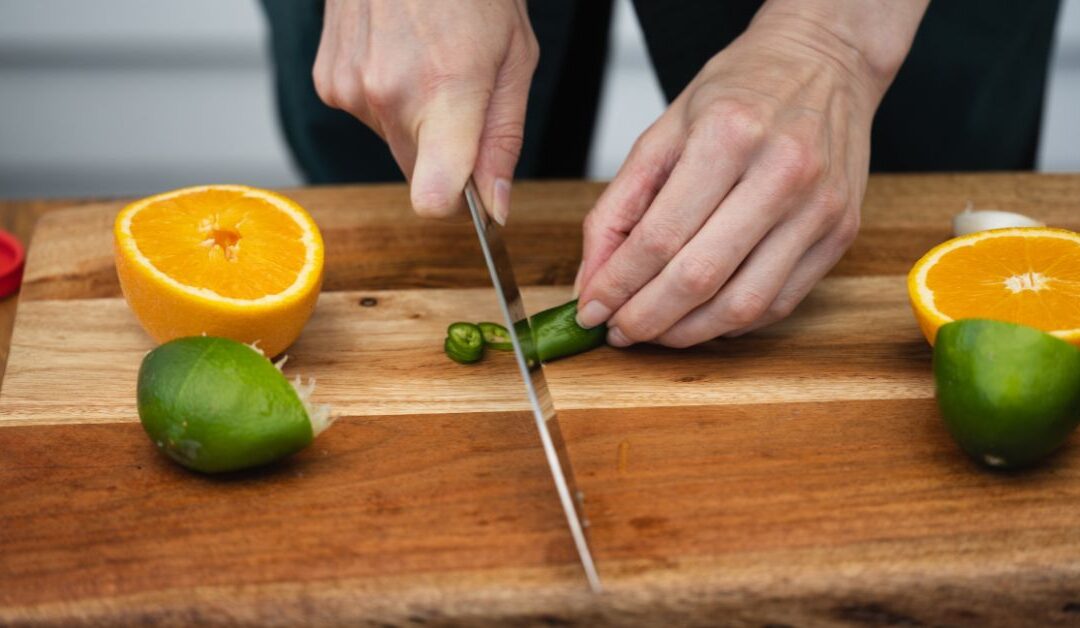
Wood cutting boards remain a favorite for their natural beauty and knife-friendly surface.
Pros:
- Gentle on knives, reducing dulling over time.
- Long-lasting with proper care.
- Stylish and often doubles as a serving board.
Cons:
- Require regular oiling to prevent cracking.
- Can harbor bacteria if not cleaned thoroughly.
Tip: Pair wooden boards with a set of knives & cutting accessories to enhance your prep experience. Bamboo boards are an eco-friendly alternative, combining sustainability with durability.
2. Plastic Cutting Boards: Versatile and Easy to Clean
Plastic boards are practical and low-maintenance, especially in busy kitchens.
Pros:
- Dishwasher safe for easy cleaning.
- Available in color-coded sets to prevent cross-contamination.
- Lightweight and easy to store.
Cons:
- It can scar over time, which may harbor bacteria.
- Less visually appealing compared to wood.
Example: Color-coded plastic boards for meat, vegetables, and bread can improve kitchen hygiene and efficiency.
3. Composite & Resin Boards: The Best of Both Worlds
Composite boards are made from wood fibers and resin, offering durability with a modern look.
Pros:
- Knife-friendly and resistant to deep cuts.
- Dishwasher safe.
- It can double as serveware for casual entertaining.
Trend: Many composite boards now come in vibrant colors or patterns that complement dinnerware and serveware trends in 2025.
4. Specialty Prep Surfaces
Some cutting boards go beyond basic chopping:
- Flexible Silicone Boards: Perfect for transferring chopped vegetables directly into pans or bowls.
- Chopping Mats with Measurements: Ideal for baking or portion control.
- Multi-Level Boards: Integrated trays separate chopped ingredients for mise en place.
Tip: Combine these prep surfaces with kitchen tools & utensils for a fully efficient cooking setup.
5. Maintenance Tips for Longevity
Proper care extends the life of all cutting boards:
- Wood & Bamboo: Hand wash with mild soap, dry immediately, and apply food-safe oil periodically.
- Plastic & Composite: Dishwasher safe, but inspect for deep cuts and replace if needed.
- General Hygiene: Sanitize with vinegar or diluted bleach solution to prevent bacteria.
Tip: Integrate these boards with proper food storage & organization systems to streamline meal prep and cleanup.
6. Trends in 2025
- Eco-Friendly Boards: Bamboo and sustainably sourced wood are increasingly popular.
- Modular Boards: Multi-purpose cutting surfaces with integrated compartments and built-in containers.
- Aesthetic Designs: Boards that match serveware, dinnerware, or kitchen decor.
Example: A bamboo cutting board with a built-in juice groove doubles as a serving platter, bridging the gap between prep equipment and serveware.
Choosing the right cutting board and prep surface is essential for safe, efficient, and stylish cooking. By understanding the pros and cons of wood, plastic, composite, and specialty boards, you can select tools that fit your cooking style, protect your knives, and complement your kitchen’s aesthetic.
Upgrade your kitchen today with our curated cutting boards and prep surfaces. Share this guide with fellow home chefs and subscribe to our newsletter for more tips on trending kitchen supplies, knives, and food prep equipment.